


ALWAYS THE RIGHT SOLUTION: THE FIELDS OF APPLICATION
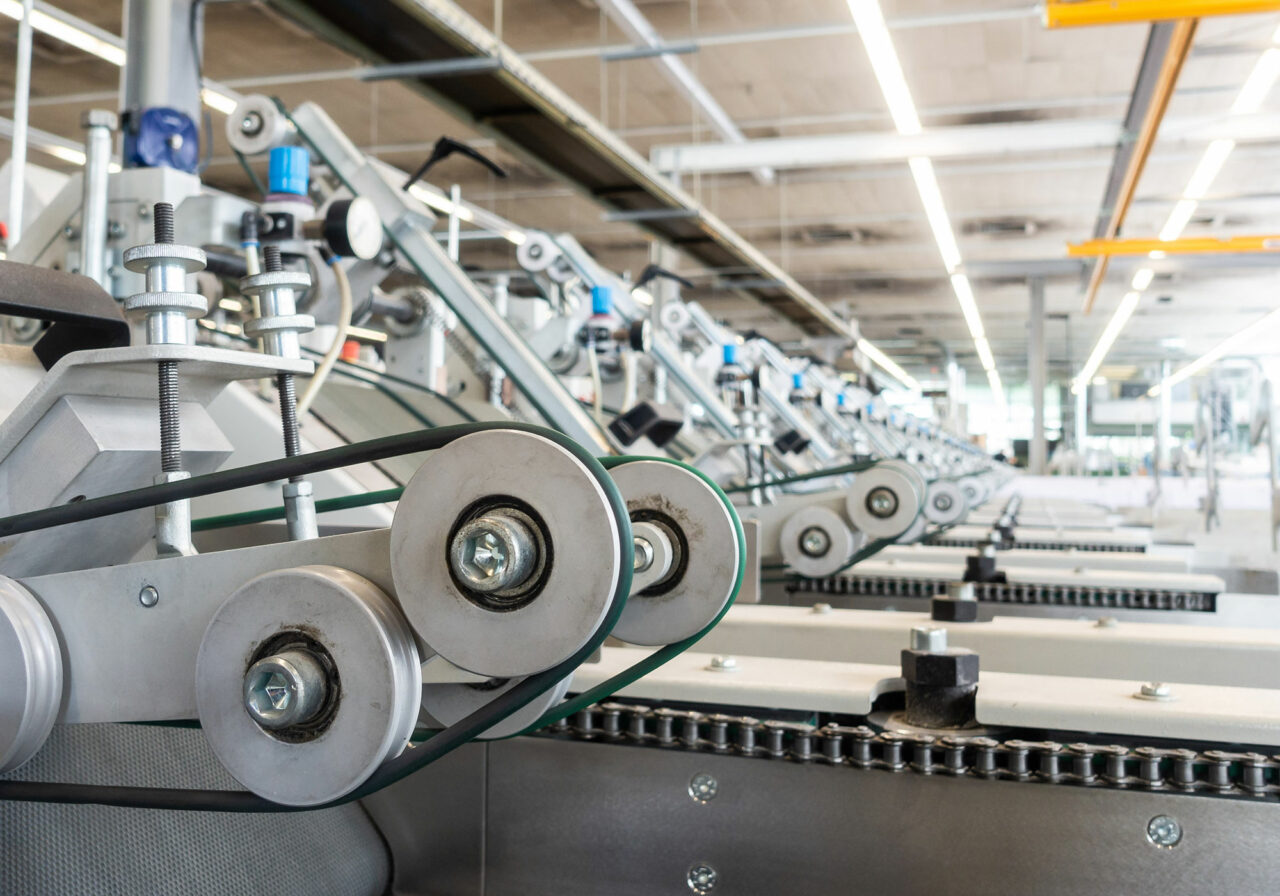
Whether forces need to be transferred from one component to another or products need to be transported through a system—whenever something moves, drive and conveyor belts can prove their worth.
Just as diverse as the various industrial sectors are the requirements placed on the belts used and specifically developed for this purpose by BGK. Here are just a few examples …
Our applications at a glance
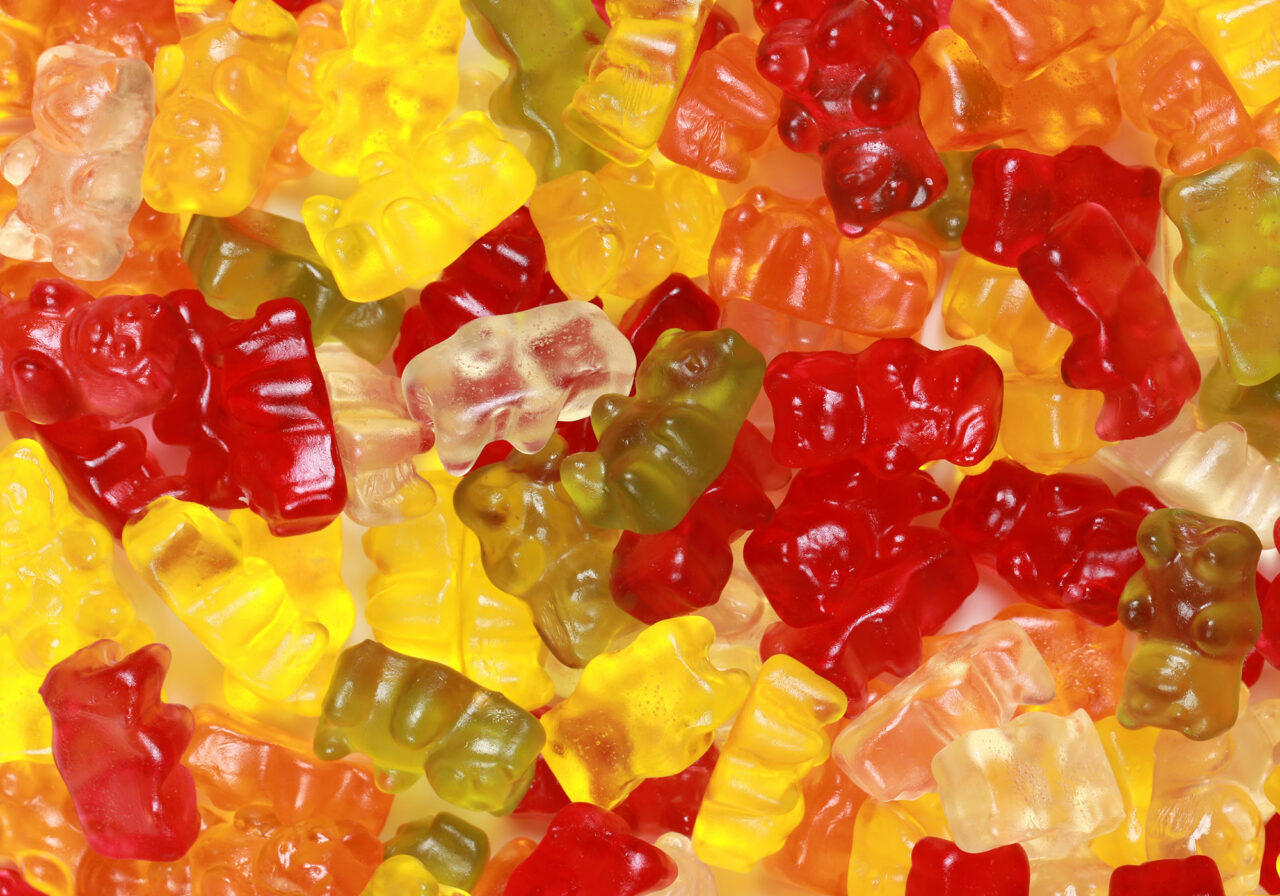
TASTY ALL THE WAY – THE FOOD BELT
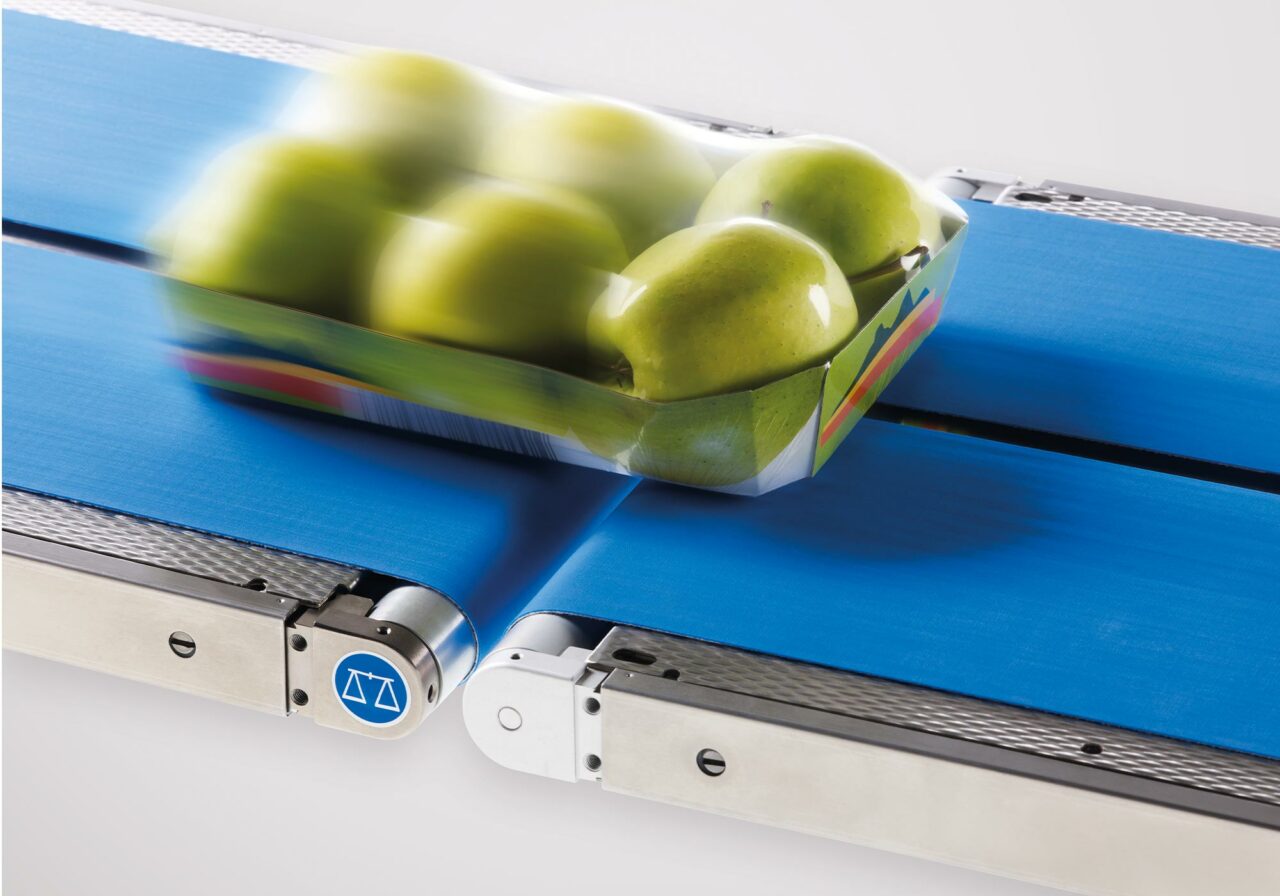
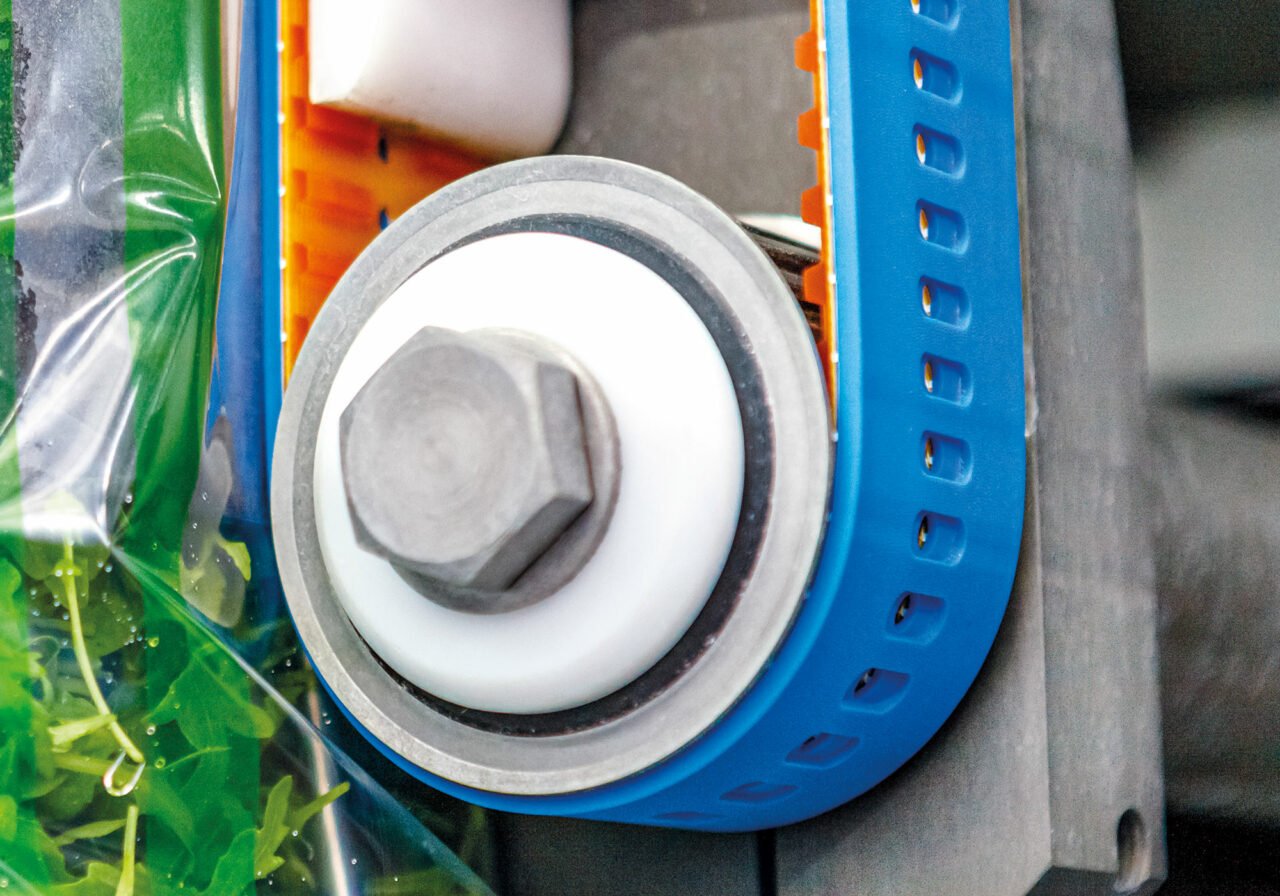
Highest standards of cleanliness and materials approved for direct food contact define the requirements for conveyor belts in the food industry. BGK ENDLESS BELTS are used, among other things, when it comes to processing food into retail units—such as when slicing and packaging sausage—as well as for specialized tasks like the production of twisted baked goods.
When food comes into direct contact with the belt, BGK SILICONE BELTS are the top choice because they meet EU and FDA requirements, have a high coefficient of friction, are temperature-resistant, easy to clean, and washable, while retaining their shape. The goods being transported adhere to them without sticking.
BGK ENDLESS BELTS are also used in packaging systems. Most of the products we buy at the supermarket are already pre-packaged. And the systems that put our food “into the bag” require numerous conveyor belts—whether for horizontal and vertical form-fill-seal packaging, strapping systems, labeling tasks, sleeve wrappers, or the production of folding cartons.
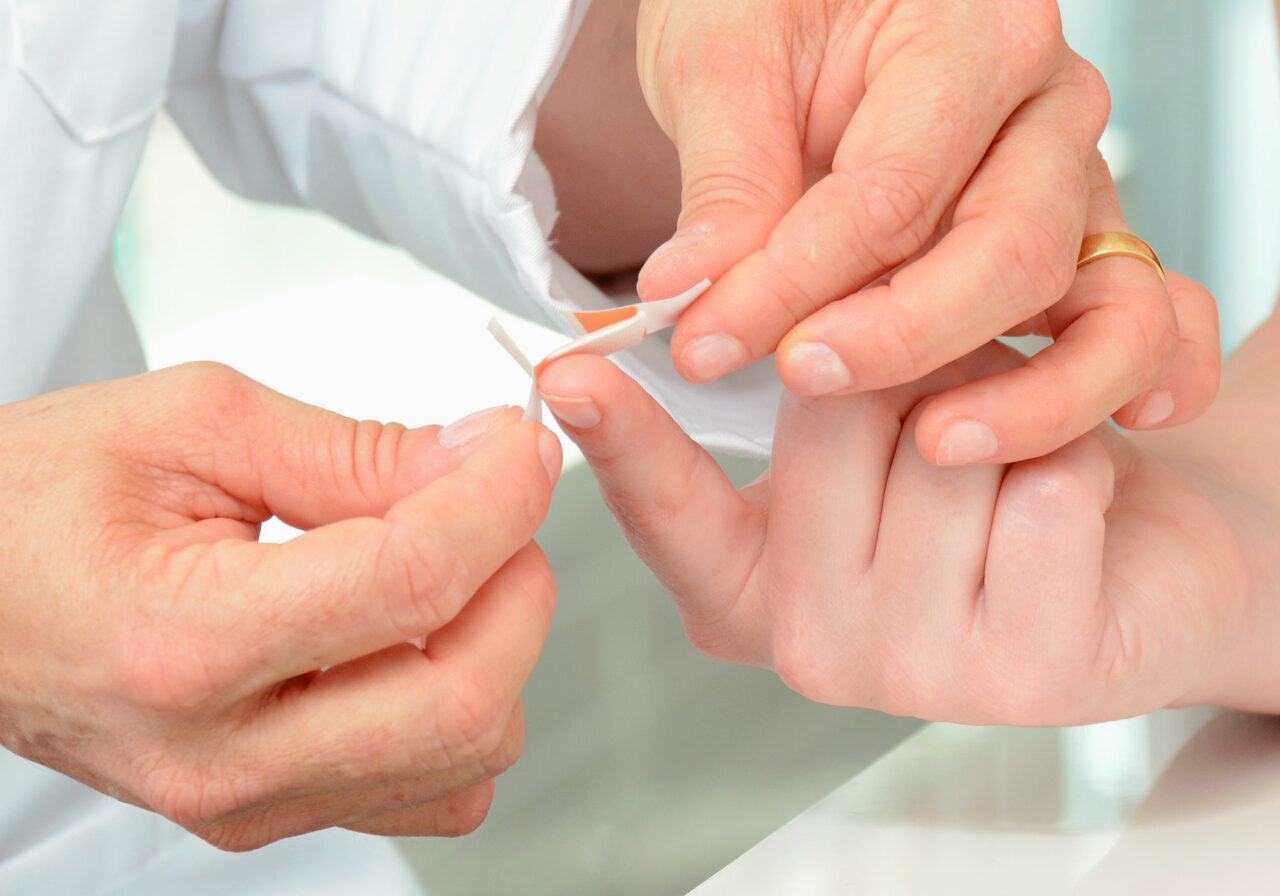
HIGH-TECH FOR A BETTER QUALITY OF LIFE – THE MEDICAL BELT
Today, modern medical and hygiene products ensure a high quality of life well into old age. What often looks like a simple diaper or wound dressing quickly turns out to be a highly complex design consisting of a wide variety of different materials, each of which fulfills specific functions but must be reliably bonded together during production.
The range of options is accordingly diverse, for example, in products for incontinence care: coated on one or both sides, elastic or rigid in the transverse direction, and abrasion-resistant. For medical wound care products, the belts must also be manufactured to a high standard for use in cleanrooms.
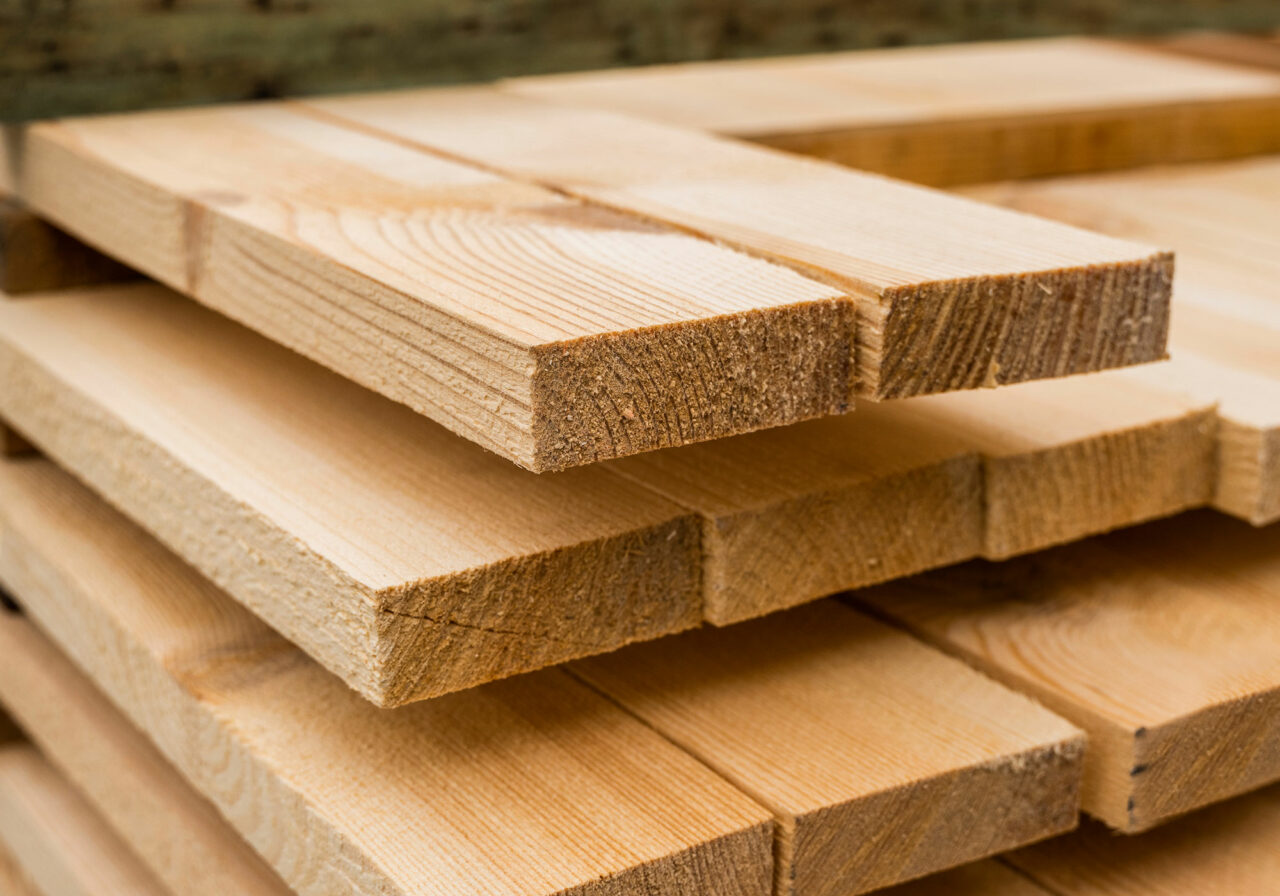
NATURE AT ITS BEST – THE WOOD PROCESSING BELT
Sawing, planing, and milling machines are essential pieces of equipment in woodworking and furniture production. High rotational speeds and smooth operation are crucial for high-quality, precise machining of wood components.
Both in the traditional crafts and industrial sectors, BGK NEOPRENE BELTS are used in drive system. They offer optimal power transmission at high speeds, produce minimal vibration, and act as dampers.
Another field of application is edge-banding machines. BGK SILICONE BELTS are the perfect solution here, as they are both extremely heat-resistant and very easy to clean.
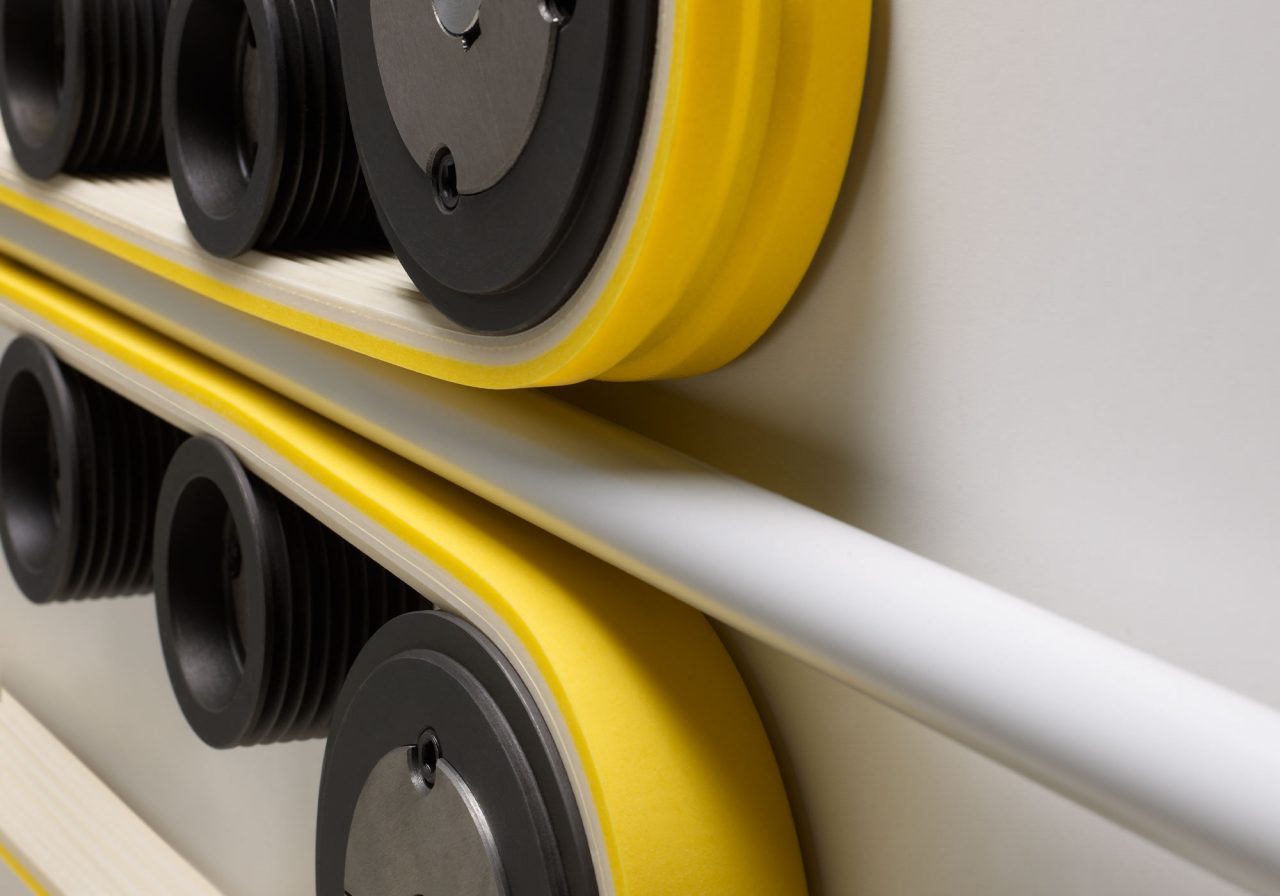
HIGH-PRECISION PROFILES – THE HAUL-OFF BELT
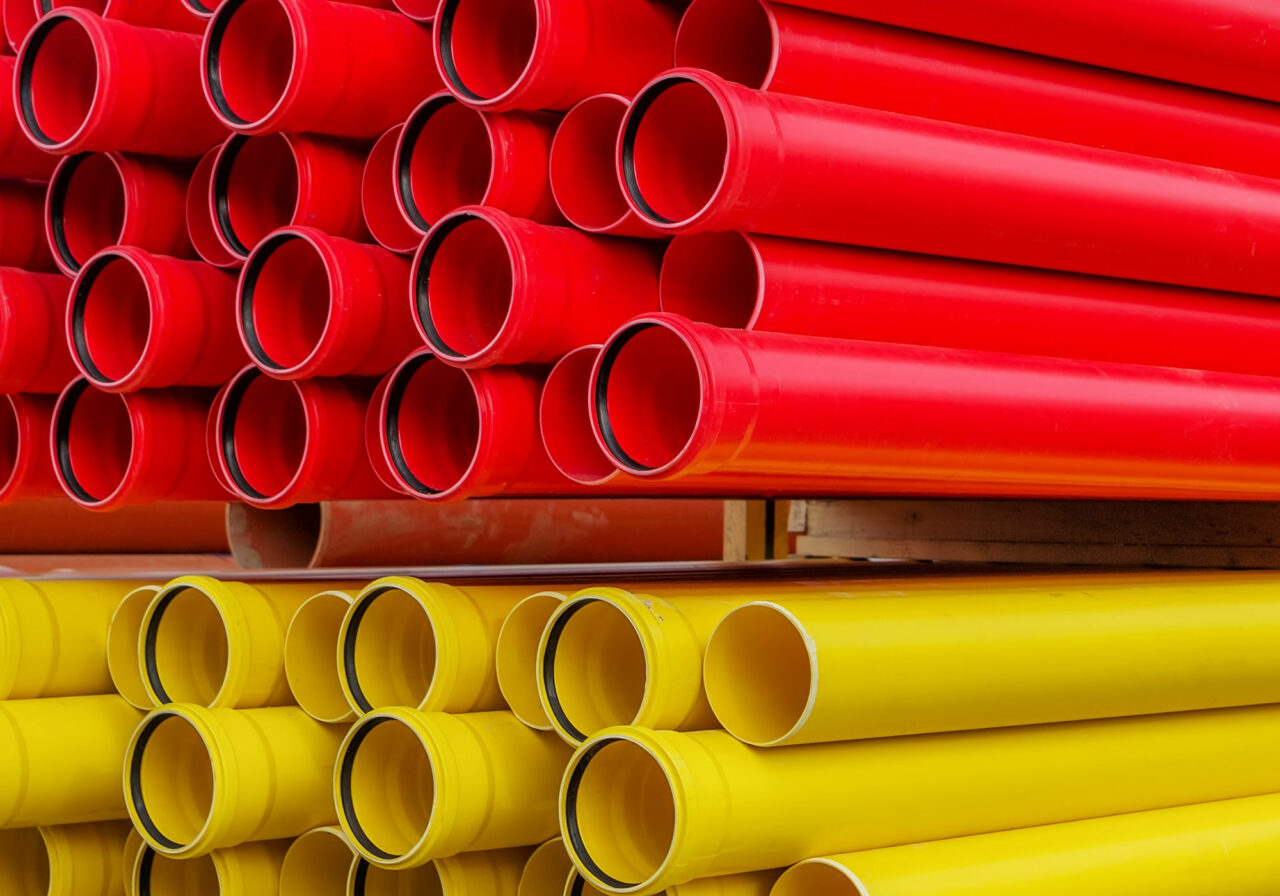
The production of extrusion profiles from plastic is a truly “hot” task. Poly-V belts are often used for this purpose, with a rubber friction coating applied to them. In the process, the belt loses its flexibility and bendability, and—as is common with bonding or butt joining—impressions in the hot, still-soft extruded material are the norm.
BGK HAUL-OFF BELTS represent a significantly improved solution, as they are manufactured with extreme precision and uniformity, within tight tolerances. Even at great thicknesses, the belt remains easy to bend and flexible.
Depending on the requirements of the profiles to be extruded, both the upper and lower belts can be customized by incorporating longitudinal and transverse grooves. The materials used include both polyurethane and silicone, which truly demonstrates its strengths, particularly under high-temperature conditions.
MAKE A GREAT IMPRESSION – THE PRINT & PAPER BELT
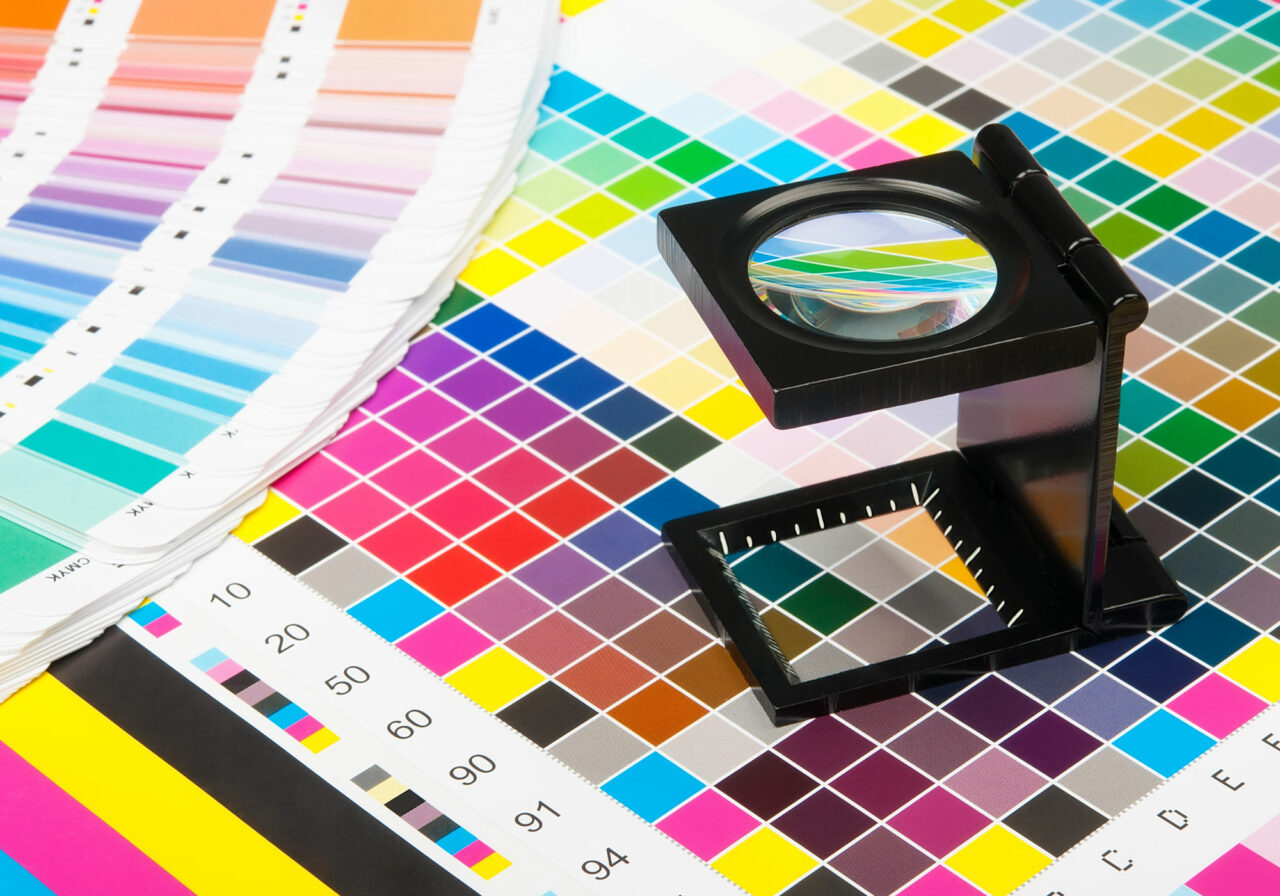
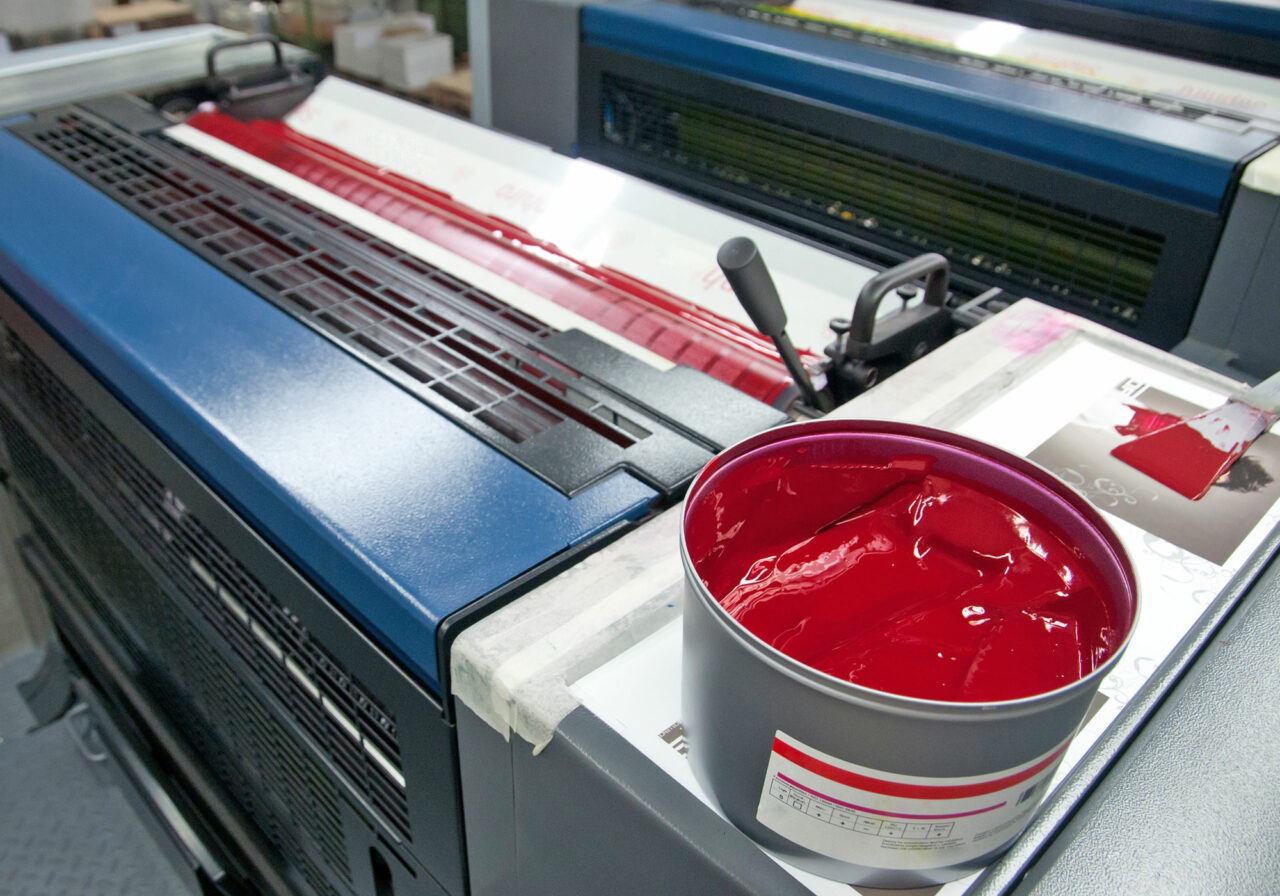
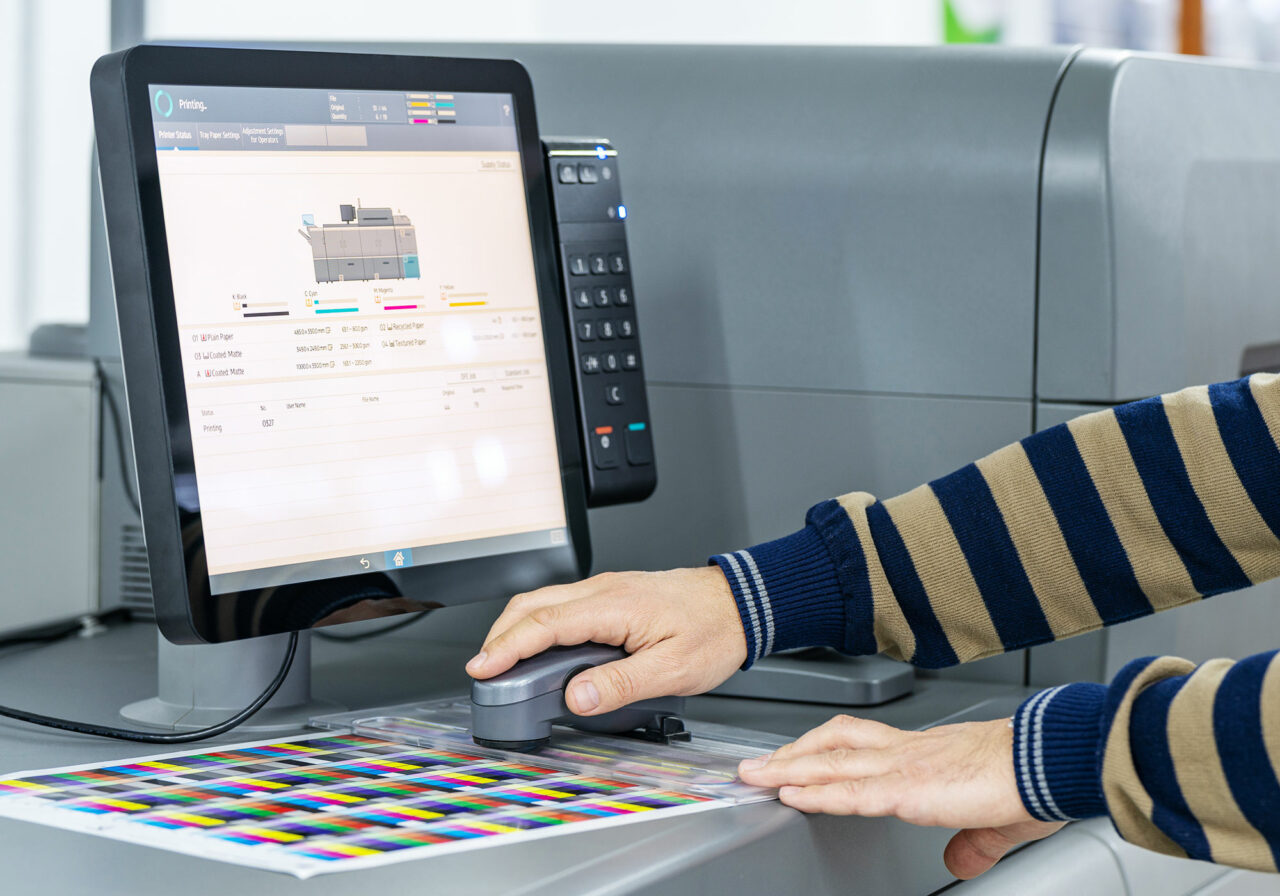
A wide variety of substrates—some of them very delicate—high line speeds, oil-based inks, and, on top of that, dusty powder. Operating conditions in the printing industry and paper finishing are not the easiest. But it is precisely here that many conveyor belts are needed.
A homogeneous belt structure and a smooth-running belt drive, even at the highest speeds, are the key requirements here.
Sheet-fed offset is the most widely used offset printing process. In this process, cut sheets of paper are fed through the various printing units, where they are printed using an indirect method.
Ensuring that this paper is transported safely and evenly is the major challenge: on the one hand, different types of paper have different characteristics, and on the other hand, modern machines process up to 15,000 sheets per hour.
BGK belts are used, among other applications, as suction belts with vacuum perforations in sheet feeders. Polyurethane and silicone are applied as coatings. They are resistant to inks and varnishes. This ensures clean feeding while also preventing unwanted marking of printed materials, where ink residue is “stamped” onto the paper.
In the digital printing segment, the requirements are once again different. Due to the electrostatic processes used there to create images on the printing plate and transfer dry or liquid toner, the issue of electrostatic charging is of enormous importance. The BGK ENDLESS BELT, which features a specific antistatic finish, is an ideal solution for this.
Reliable feeding of printed paper sheets is also essential during further processing in folding and rotary cutting machines, as well as during saddle-stitching. Thanks to customized solutions, different coefficients of friction can be achieved, depending on whether the sheets are to be fed into the machine individually or with controlled slippage.
WRITE ME A LETTER – THE LETTER PROCESSING BELT
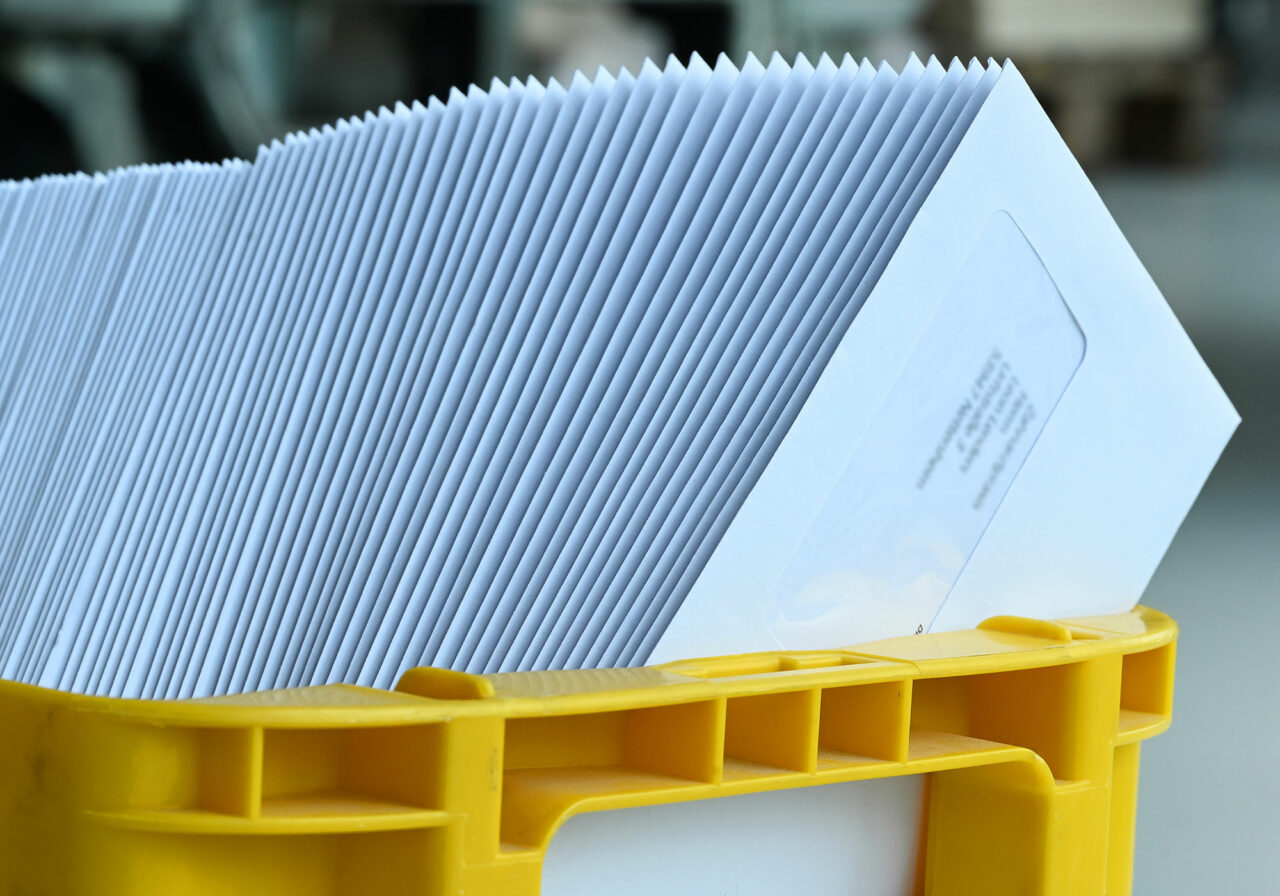
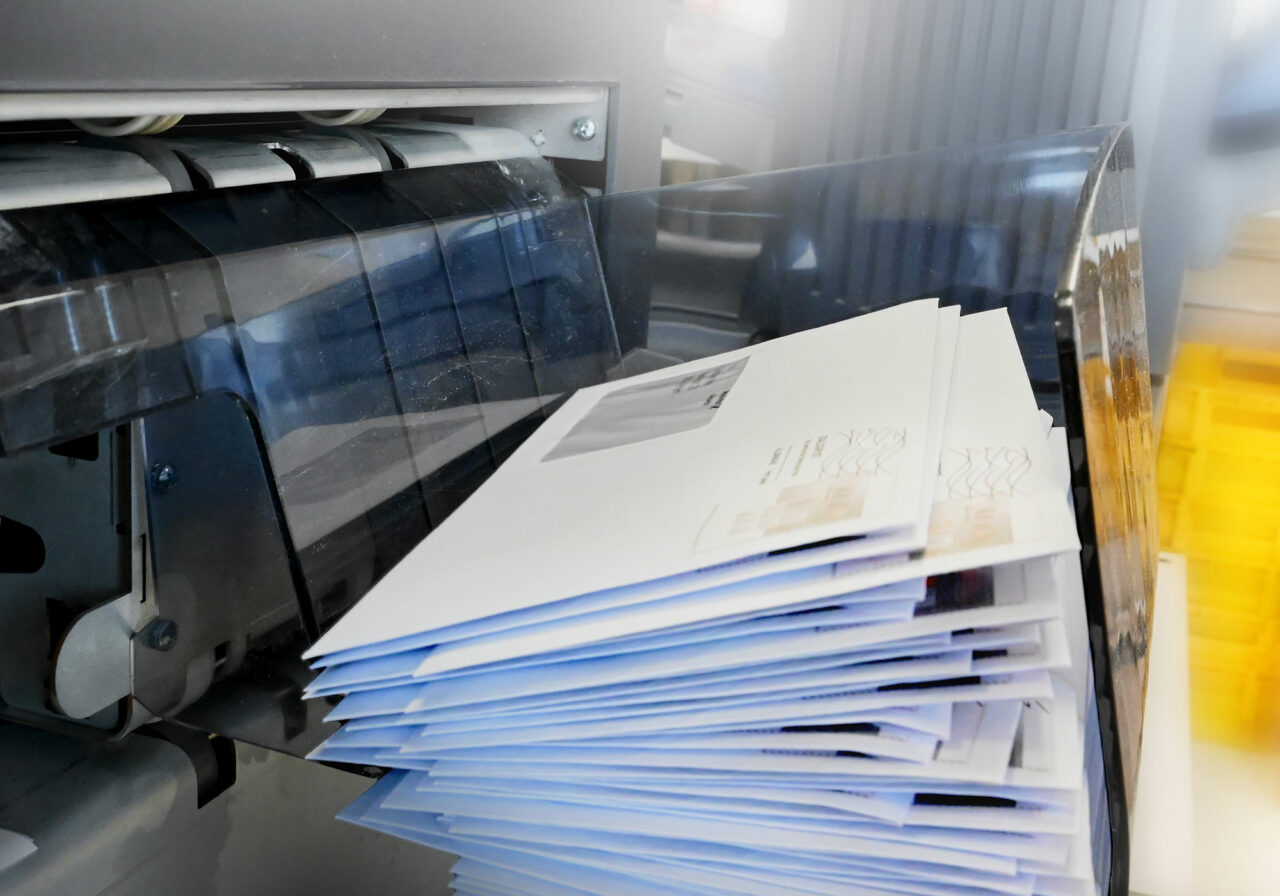
Despite the trend toward digitization, billions of letters are still sent around the world every day. To ensure they reach their recipients safely and, above all, quickly, the facilities of major international postal authorities and other large postal service providers are equipped with state-of-the-art sorting systems that enable fully automated sorting of mail.
These systems are equipped with a wide variety of belts, and maximum reliability and durability are the basic requirements for these belts. The application is not made any easier by the numerous different paper sizes and weights, as well as the various surfaces with differing coefficients of friction. An 180-mm-thick C4 envelope made of Tyvek behaves completely differently from a lightweight, stapled magazine that is open on three sides, or a shipment sealed in plastic film.
In addition, specialized belt types and surfaces must be used at every point in the system to fulfill a specific function. Of particular importance is the correct coefficient of friction, which must remain as constant as possible throughout the belt’s service life—despite dust, contamination, and abrasion from printing inks. Damage to shipments caused by a belt must be avoided at all costs. BGK ENDLESS BELTS offer the perfect solution for a wide range of system applications.
FASHION FROM CLASSIC TO MODERN – THE TEXTILE BELT
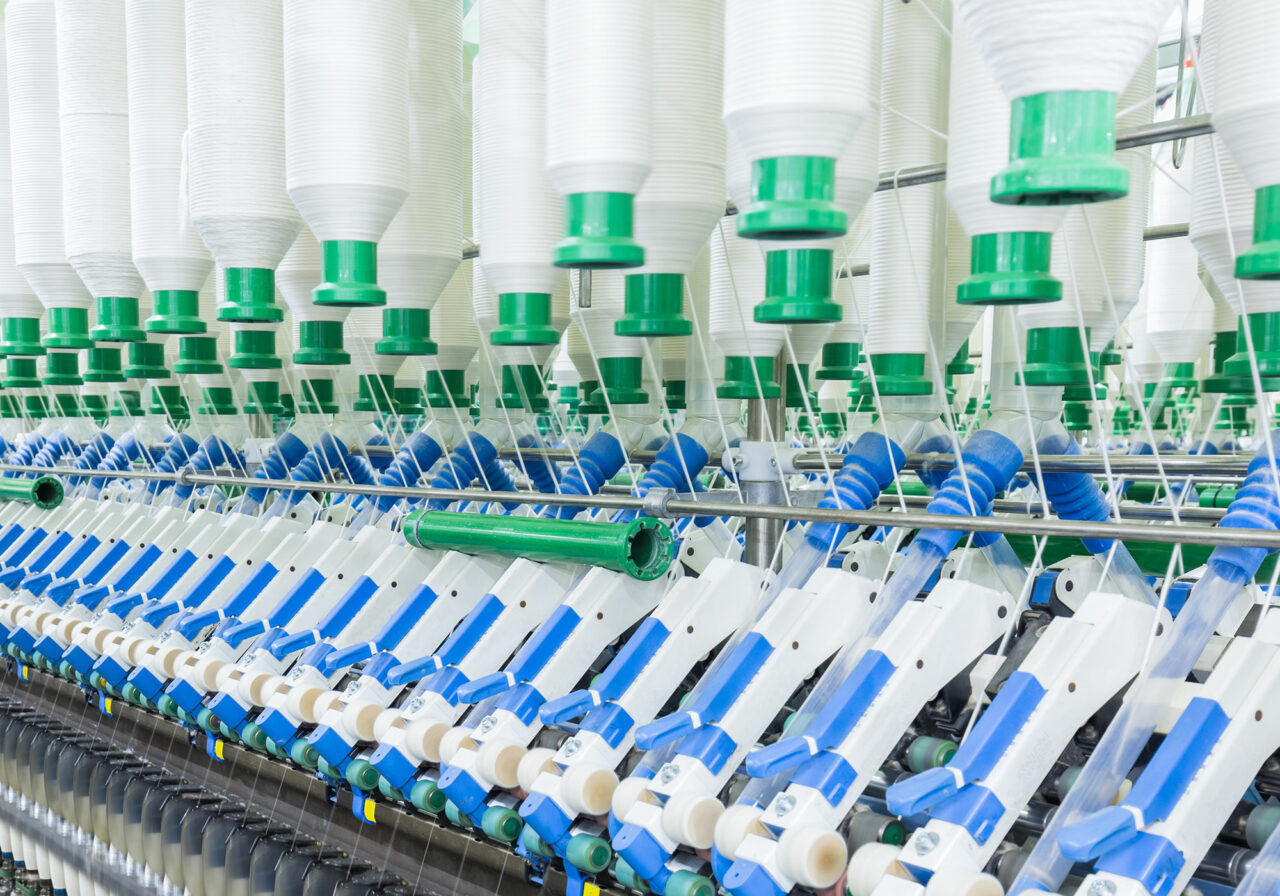
Modern yarn and thread production no longer has much in common with the idyllic spinning wheel from the Grimm fairy tales.
Bobbins are changed and broken threads are tied off fully automatically, so everything has to be just right. This also applies to the spindle drive on twisters and spinners. On the one hand, the coefficient of friction must be low to allow for a defined slip at the drive; on the other hand, a high coefficient of friction is needed to ensure good slaving. Furthermore, the antistatic belt coating should not attract the ubiquitous fiber lint.
WITH A PERFECT VIEW –
THE GLASS PROCESSING BELT
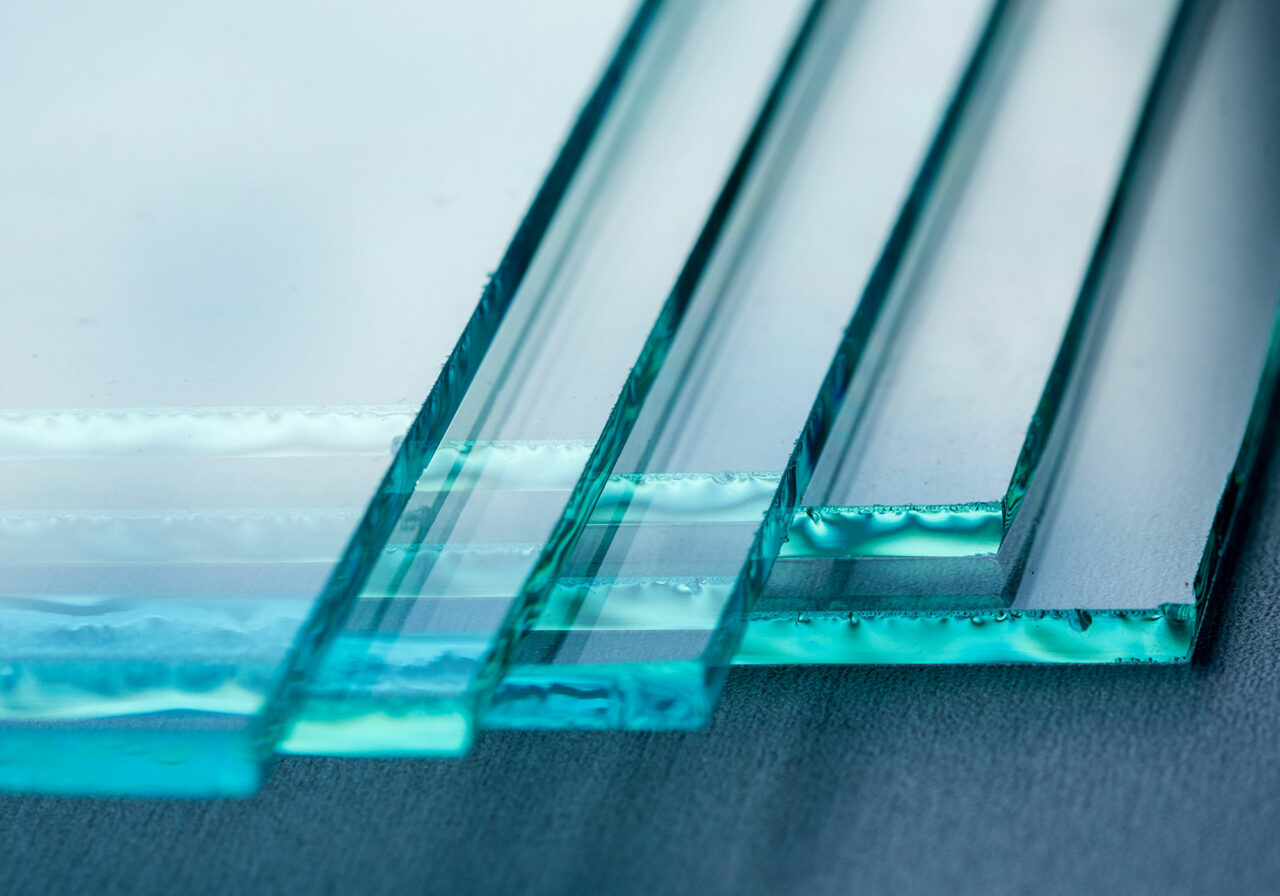
When it comes to glass panes, energy efficiency—as provided by modern insulated glass—is just as important as perfect clarity. However, their manufacture requires the utmost precision and cleanliness, because any dirt trapped between the panes will be visible once the unit is sealed. At the same time, heavy and large glass panes must be transported safely, including during processes such as cutting and washing.
BGK ENDLESS BELTS with a silicone surface are ideal for this task, as they ensure good slaving and are easy to clean. Equipped with large vacuum suction slots, they can securely hold and transport even large panes of glass.