
Perfekt kombiniert –
die BGK Produkte
Many different applications rely on endless belts. The comprehensive BGK product line covers them all.
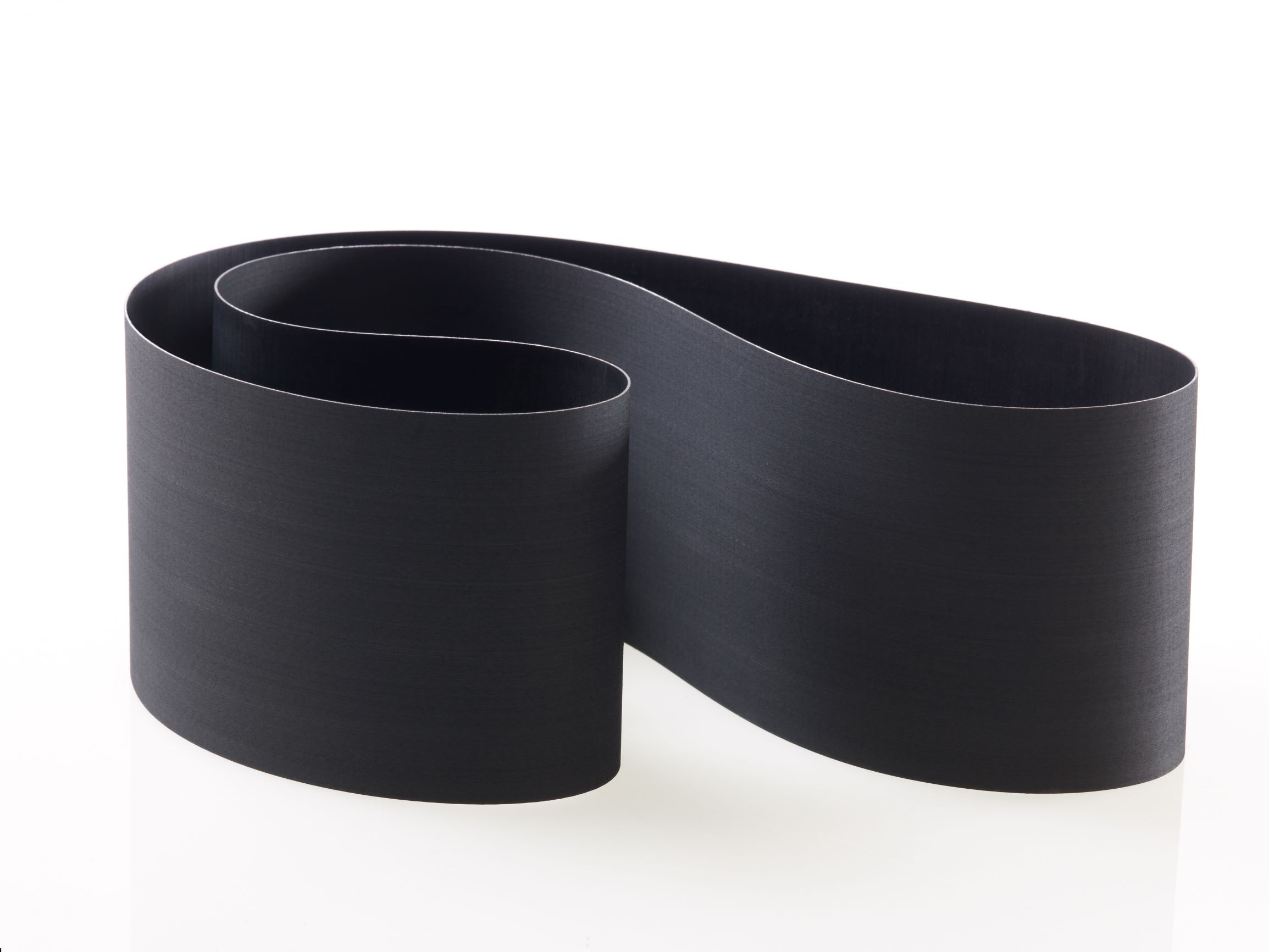
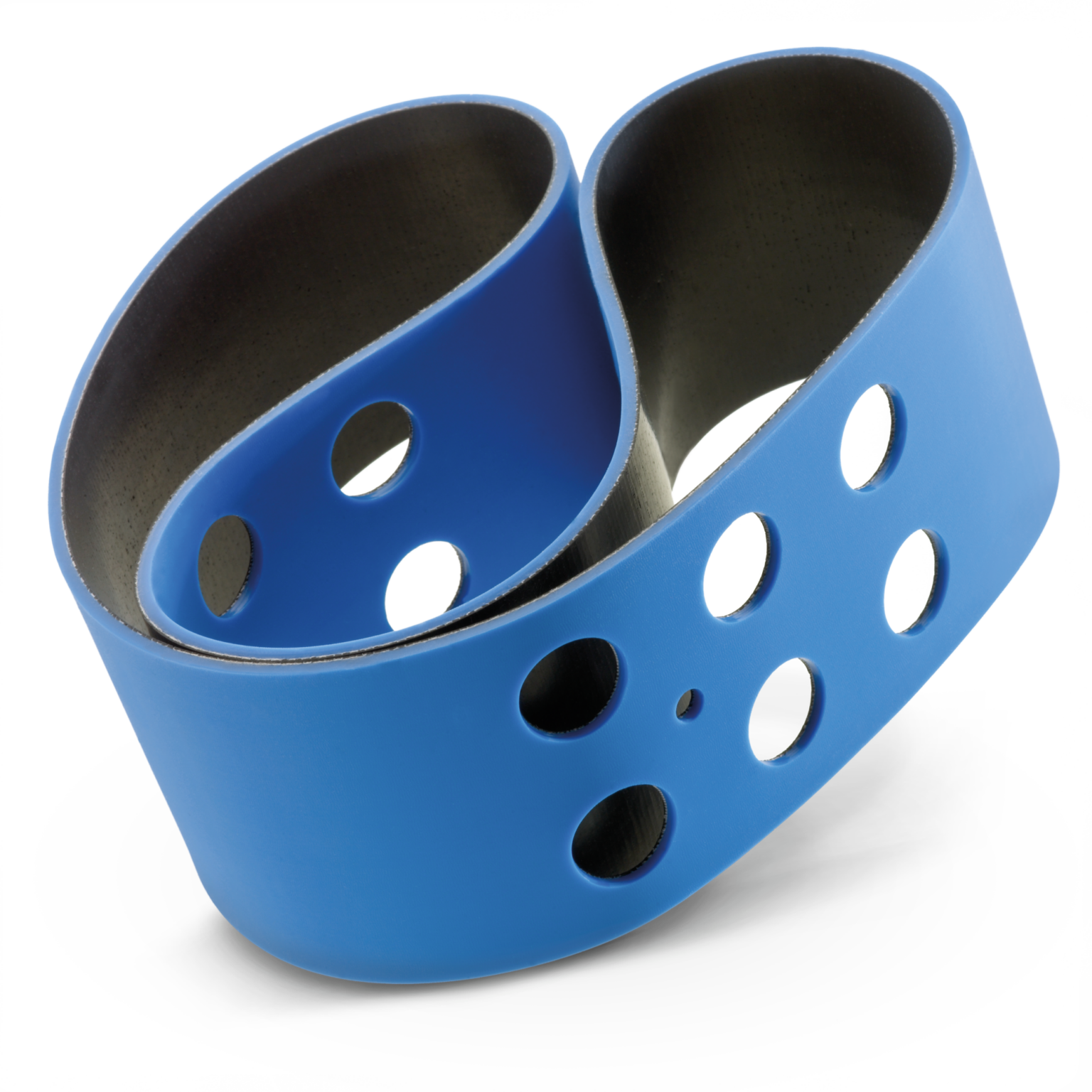
The properties of a continuous belt are determined both by the carcass and, above all, by the coating applied to one or both sides. BGK ENDLESS BELTS primarily use three materials: polyurethane, neoprene, and silicone. The belts gain additional functions through further processing such as punching, die-cutting, or milling. All of this combines to form the versatile BGK MODULAR BELT KIT.


SOLUTIONS FOR EVERY TASK – THE VARIABLE BGK MODULAR BELT KIT
Our product portfolio is as varied as the application scenarios for endless belts. Building on our basic products, we manufacture custom products based on customer requirements and our expert advice.
Outstanding flexibility: the BGK MODULAR BELT KIT
The selected components determine the desired characteristics, such as tensile strength, coefficient of friction, antistatic qualities, temperature and chemical resistance, food contact compliance, and many other application requirements.
Each BGK ENDLESS BELT can be customized in three key areas to suit any individual task:
- with the appropriate carcass,
- a high-performance coating and
- with additional mechanical processing, if necessary.
Click on the yellow markers to learn more …
CARCASS
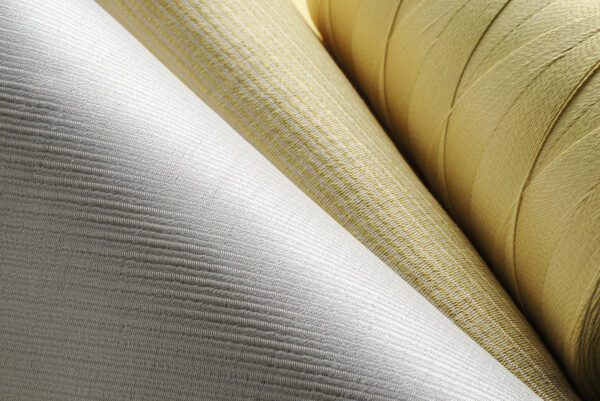
The carcass is essentially the backbone of the endless belt and plays a key role in determining its elasticity and load capacity. If the carcass is not coated on both sides, the friction coefficient also depends on the carcass material used.
Several materials are used for BGK ENDLESS BELTS:
- Polyester is the most commonly used material; it can be dimensioned for different tensile forces depending on the specifications.
- The natural fiber cotton offers particular advantages when sliding carcasses with a low friction coefficient are required.
- Aramid fibers offer particular tensile strength, making them the ideal solution for applications involving the transmission of high forces.
- For carcasses elastic in length, a
spandex-based fiber mix is used.
COATING
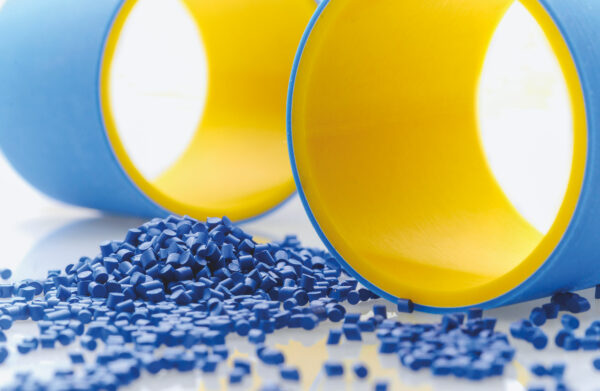
Once the carcass material has been selected, coatings applied to one or both sides can further define the characteristics of the endless belt. Different coatings can also be applied to each side. The most commonly used coatings are:
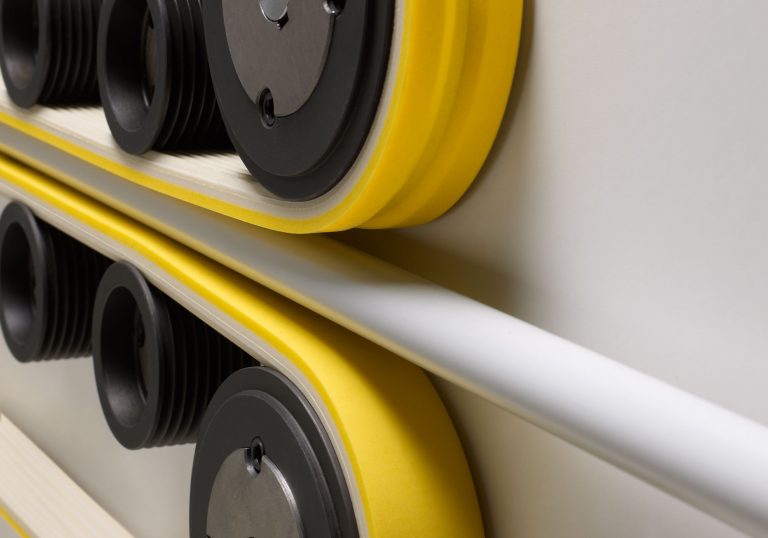
- Polyurethane as a economical all-rounder for a wide range of applications.
- Neoprene for specialized applications that require a high-performance, antistatic belt with good chemical resistance.
- Silicone for all applications where high temperature resistance and hygiene are essential, such as in the food industry.
BGK can also easily apply coatings to products from other manufacturers to ensure a closed, seamless, and thus homogeneous surface for various conveyer applications.
PROCESSING
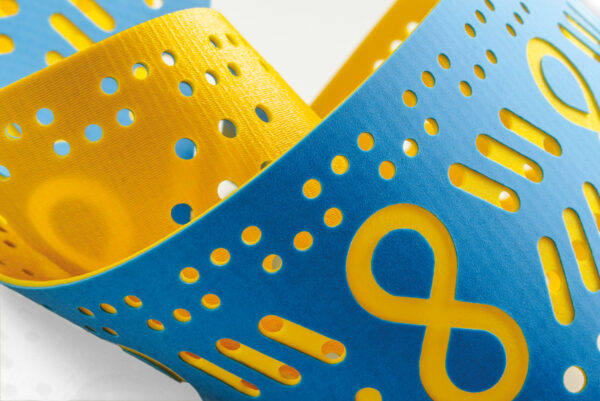
Once belt and coating are finished, the surface can be processed to fulfill a large variety of functional requirements.
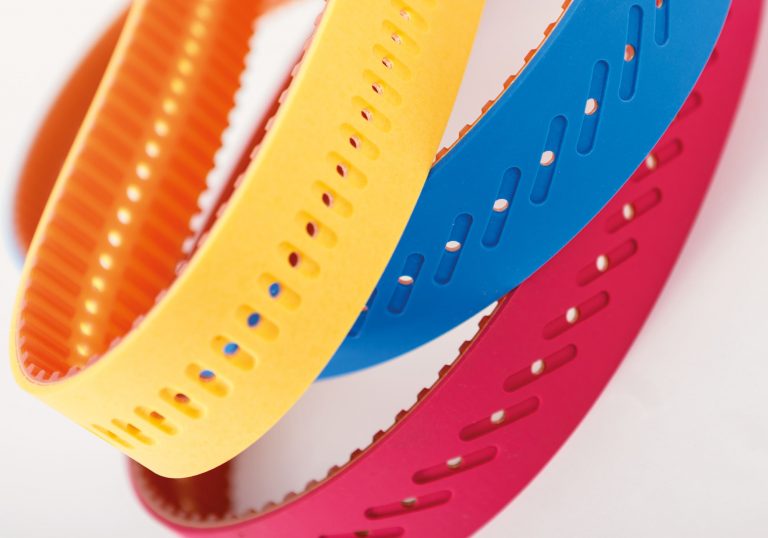
Surface processing such as perforating, punching, grooving, and milling as well as the addition of guiding profiles, cleats, and ribs turns the flat belt into a special belt, innovative and with high performance improvements.
Do you have questions about our products?
With our flexible BGK MODULAR BELT KIT, we can always find the right solution. Please describe your requirements as precisely as possible, and we will contact you right away.